

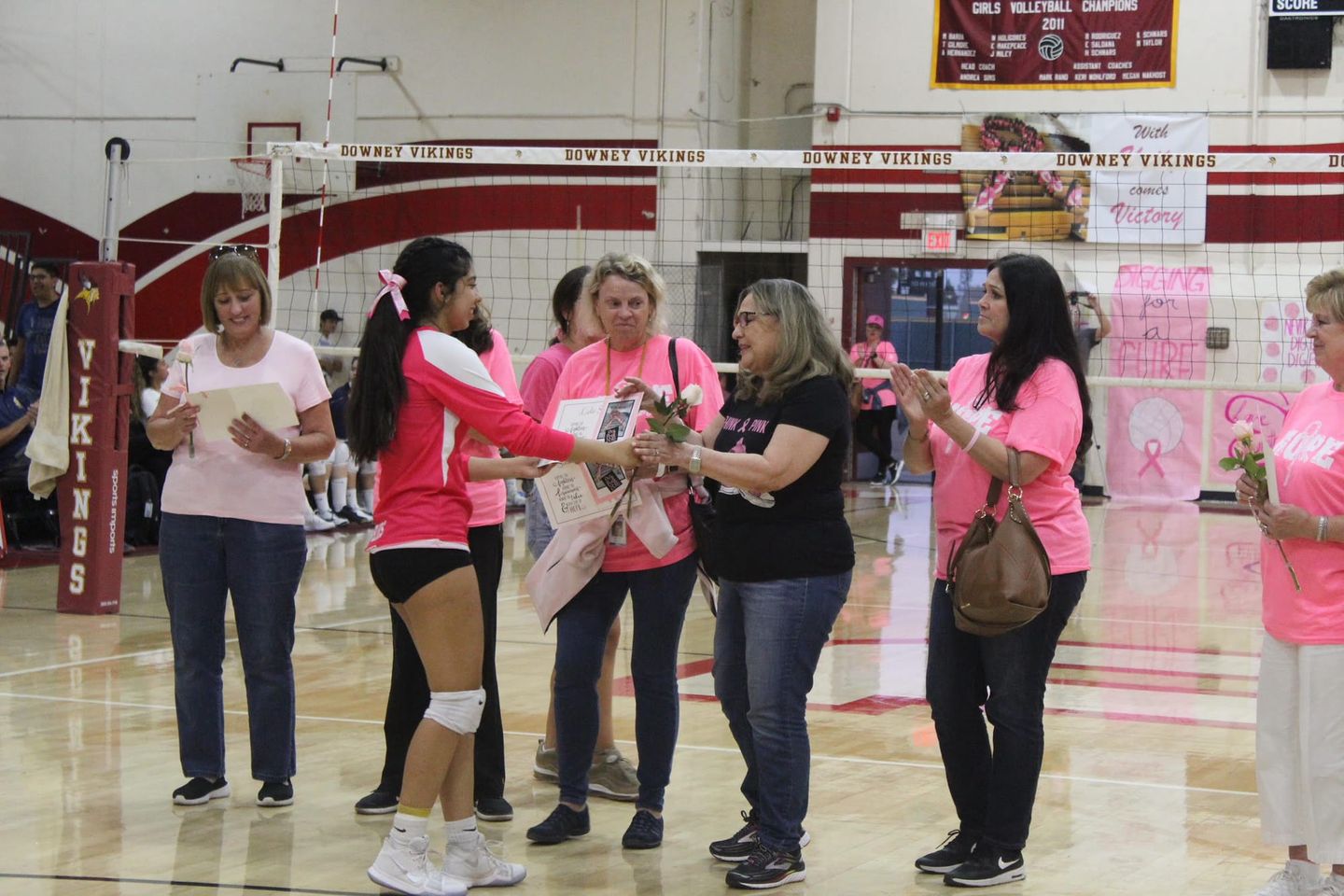
If you've run a Dig Pink event before, you know the feeling this time of year: the T-shirt orders, the raffle spreadsheet, and maybe this year, a little voice worrying that people don't have extra money right now.
That's a fair worry, and a caring one. But history doesn't actually back it up, not in the way you'd expect.
What actually happened last time the economy tanked
During the 2008 financial crisis, corporate giving and foundation grants dropped, but individual giving, the kind that comes from a parent buying a raffle ticket or a grandparent writing a check, held up far better than anyone expected. Research on the Great Recession found individual contributions actually increased between 2009 and 2011, even as other funding sources kept falling.
Justin Wheeler, co-founder of the fundraising platform Funraise, put it simply looking back on that period: overall giving was down in 2008, but individual giving grew. His read on why is worth remembering: people tend to become more generous, not less, when they understand someone else's pain. That's basically the spirit of a Dig Pink night in one sentence.
Giving to human services, healthcare, and education organizations also increased during that downturn, even as arts and culture giving declined. Health causes tend to hold steady, or grow, when times get hard.
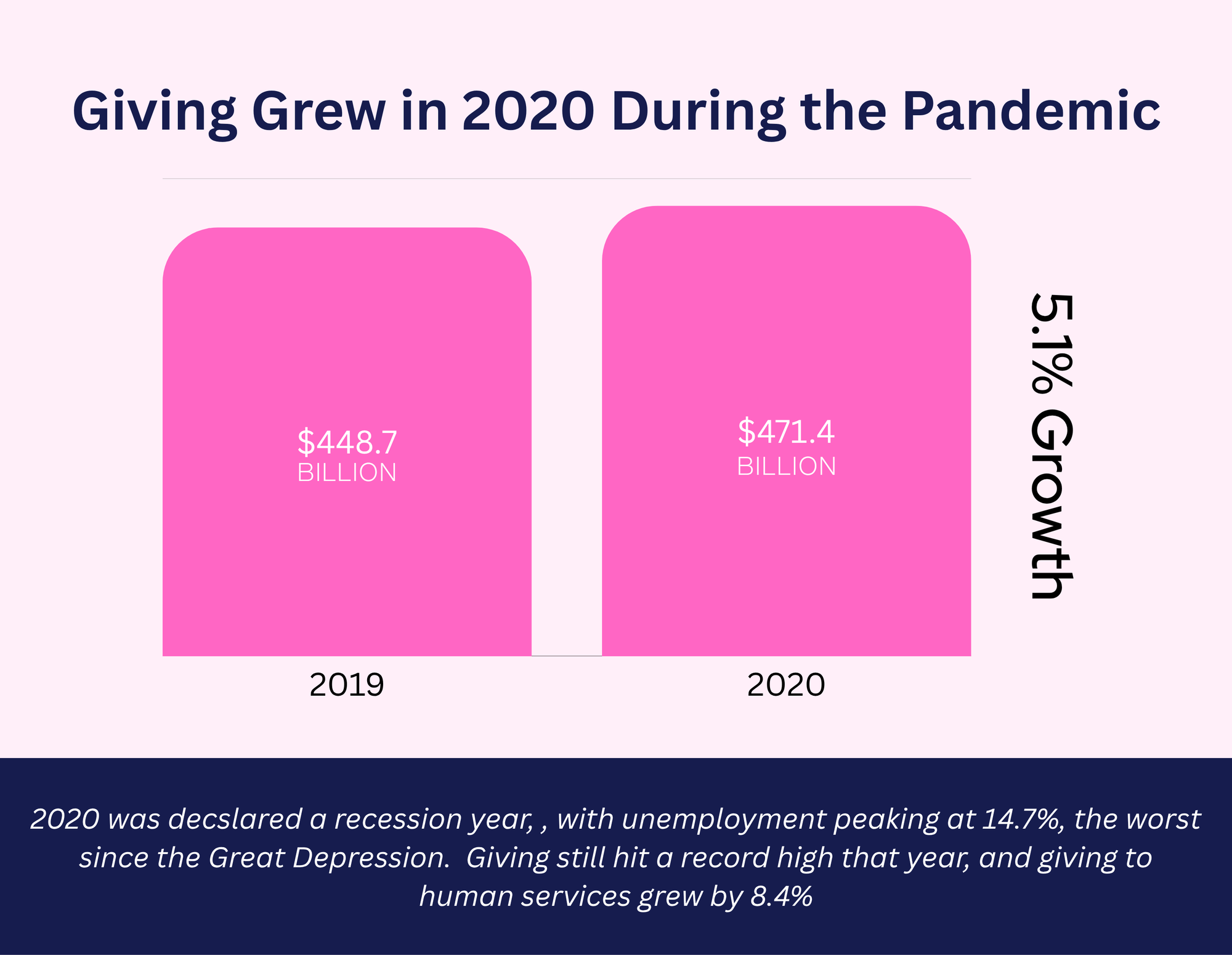
There's an even clearer, more recent example than 2008. The National Bureau of Economic Research officially declared a recession in 2020, with unemployment peaking at 14.7%, the worst since the Great Depression by some measures. That same year, total US charitable giving didn't fall, it hit a record high.
According to the Giving USA 2021 Annual Report on Philanthropy, Americans gave an estimated $471.44 billion to charity in 2020, up 5.1% from $448.66 billion in 2019. Giving to human services groups specifically, the food banks, shelters, and similar organizations closest in spirit to what Side-Out does, grew 8.4% that year on its own. As Giving USA Foundation chair Josh Birkholz later put it, "generosity is more resilient than the economy."
That's worth pausing on, because it's exactly why the research you're raising money for matters so much. Side-Out exists because Stage IV, or metastatic, breast cancer has historically been the least funded stage of the disease, even though it causes nearly all breast cancer deaths.
An analysis by the Metastatic Breast Cancer Alliance found metastatic research made up only 7 percent of all breast cancer research dollars from 2000 to 2013. From 2014 to 2020, that share nearly doubled to 13 percent, with annual investment growing from about $249 million to $337 million. That didn't happen on its own. It happened because patients, families, and teams like yours kept asking, year after year, until funders had no choice but to notice.
The real risk isn't asking. It's going quiet.
One of the clearest findings across every recession researchers have studied: the organizations that struggled most weren't the ones that kept fundraising through hard times, they were the ones that got scared and stopped. Nonprofits that pulled back on fundraising during past downturns often lost ground permanently, and some never fully recovered their reach. When one organization goes quiet, donors don't stop giving. They just give to someone else.
That matters for something as personal as Dig Pink, where a lot of the asking happens through people you already know: teachers, neighbors, local shop owners. Those relationships don't evaporate because the economy is rocky. If anything, they're exactly the kind of trust-based giving that survives a downturn best.
Why lots of small gifts beat waiting on one big check
This is the part that's specific to a tight economy, not just general good practice.
The National Council of Nonprofits, drawing on Fundraising Effectiveness Project data, says organizations with a broad base of small donors are more resilient during downturns. The logic is simple math: fifty people giving twenty dollars each is sturdier than two people giving five hundred dollars each, because losing any single donor barely dents the total.
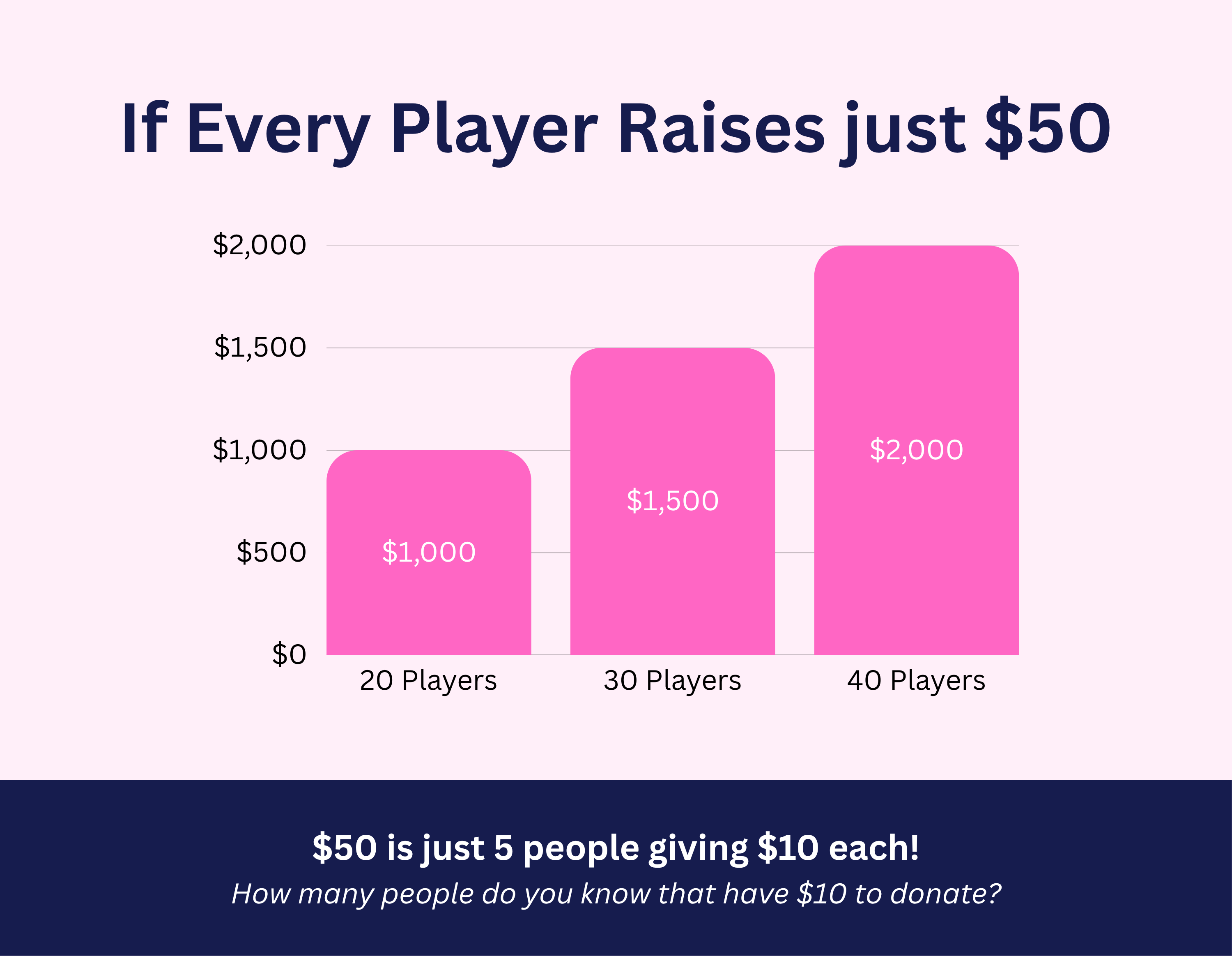
That $50 isn't one big ask. It's just five people giving $10 each, or ten people giving $5. Every player on your roster already knows that many people who'd say yes.
There's an honest wrinkle worth knowing as well: across the nonprofit sector, the number of everyday small-dollar donors keeps declining year over year even as total dollars raised keep climbing, carried by fewer, larger gifts. Since small donors are the exact group shrinking industry-wide, a team that puts real effort into growing that base has a genuine edge over one that doesn't bother.
Share the Research, Fund the Research: Your Outreach Matters
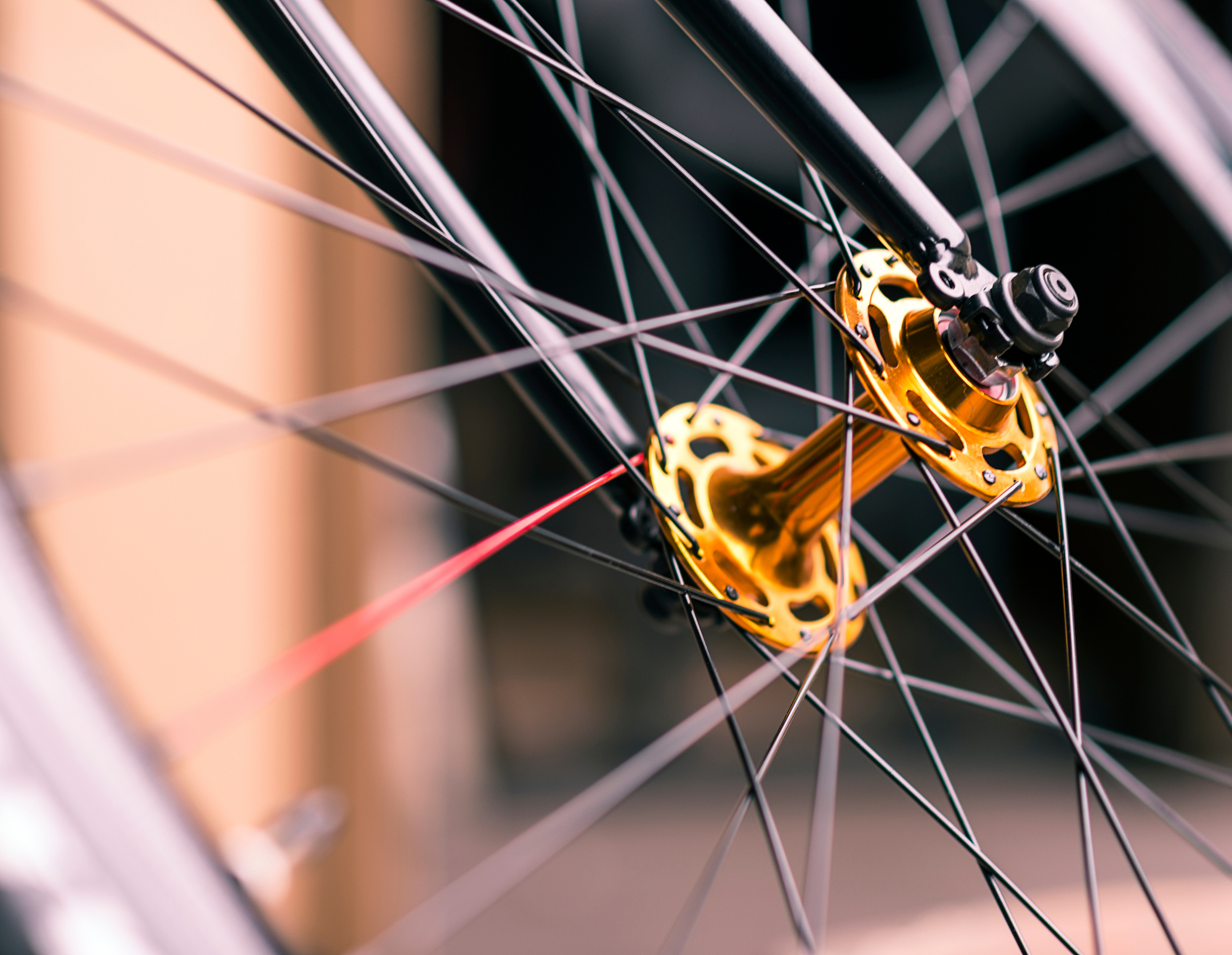
Think of your advocay like a bike wheel. You are the hub at the center, with your network of family and friends as the spokes. When you share your story, you’re spinning that wheel, trying to turn your network into a series of new hubs, each radiating awareness and support.
When you join the Ambassador Program, you aren't just a fundraiser; you’re the connection between this research and the families who need it most. Every time you share your page, you’re not just asking for a donation, you’re spreading the word about the Side-Out Foundation research program, which will help us reach our goal of changing the way breast cancer is treated.
You don't have to engineer this. You just have to ask for it, and see what happens. A single "would you mind sharing this with a couple of people too?" costs nothing, and it can quietly turn a network of ten people into a network of thirty or more, without you personally asking a single extra person.
Give every player their own fundraising page. A team page alone on a school website only reaches people who already know to look for it. When each player gets their own personal link tied to the same team goal, the ask reaches fifteen or twenty separate networks instead of one, the same mechanic behind walk-a-thons and read-a-thons.
Make the ask small and specific. Twenty people at ten to twenty-five dollars each, with a clear reason attached, feels natural and works better than one big number that only pays off if a couple of generous relatives step up.
Have players donate to their own page first. A page that already shows a gift or two feels active and worth joining. A blank page at zero feels like it's waiting for someone else to go first.
Mix in low-cost entry points. Raffle tickets, T-shirts, and bake sale items let someone give five or fifteen dollars instead of writing a check. None of these need to carry the whole event alone, they just need to sit alongside each other.
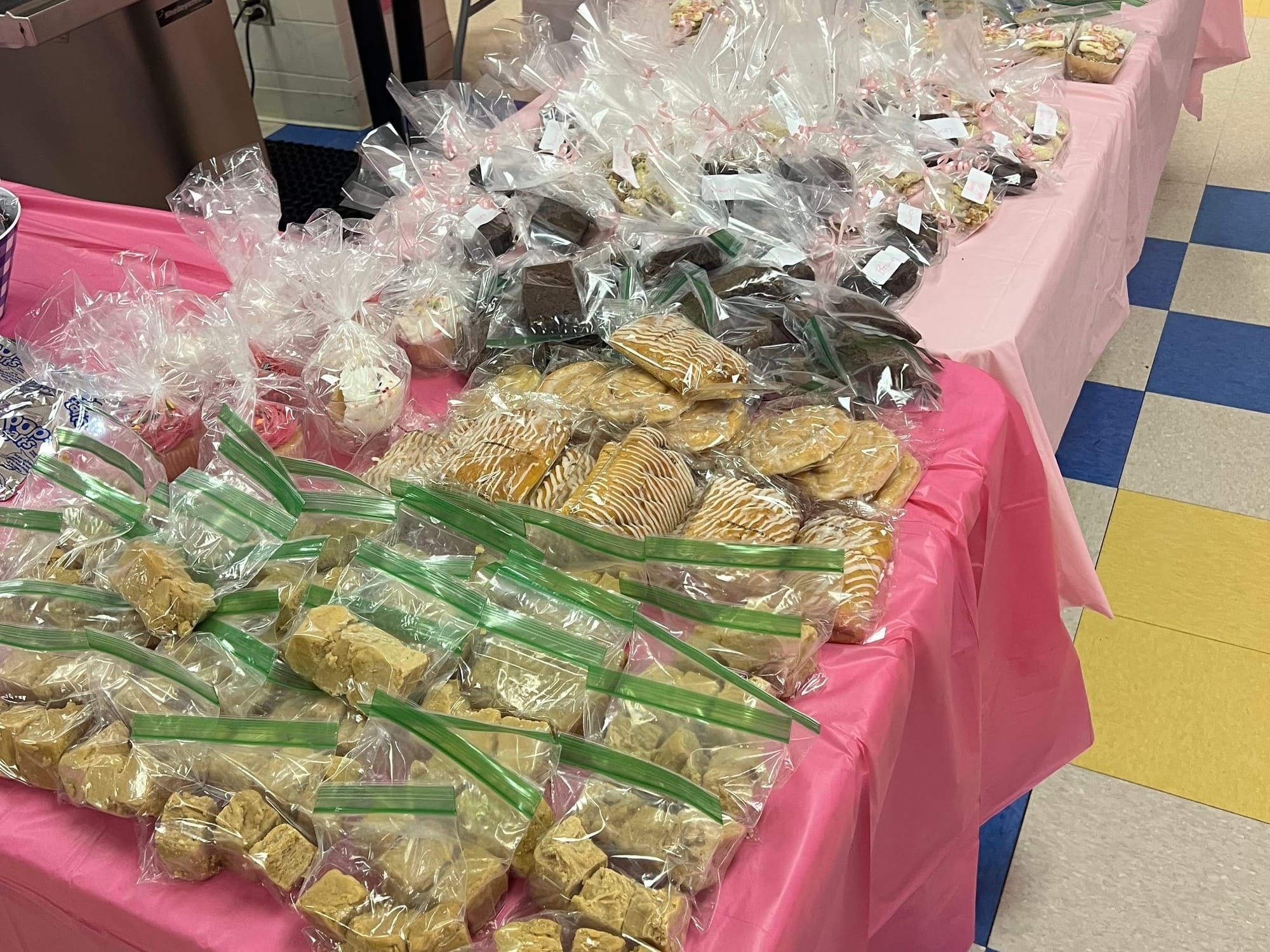
Ask local businesses for goods instead of cash. A business watching its budget may hesitate at a check but can often say yes to a gift card or service for a raffle basket, at less cost to them and just as much value to you.
Turn it into friendly competition. A simple leaderboard tracking how many donors each player brought in, not just how many dollars, tends to drive participation further than a dollar-only goal.
None of this replaces the grandmother who writes a bigger check, or the local company that sponsors the whole event. Those gifts matter and always will. The point is to stop depending on them being there, not to stop hoping for them.
What this looks like in real Dig Pink gyms
None of this is theoretical. It's already happened, over and over, in schools not so different from yours.
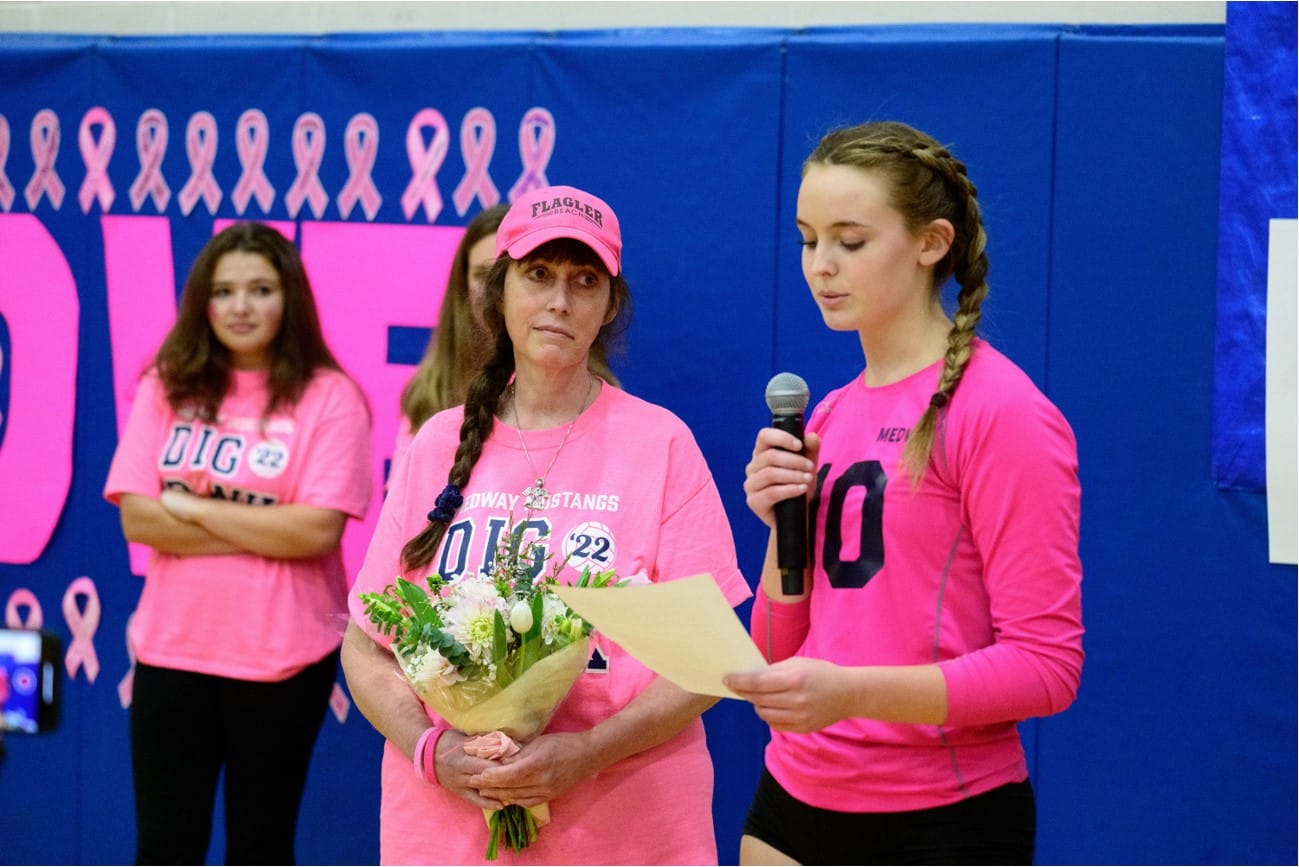
Medway High School (Massachusetts) has run its Dig Pink event for eleven straight years, raising more than $58,000 through T-shirt sales, raffle tickets, and a bake sale. Each year the team honors a cancer survivor in the community, and one recent year that meant a senior captain sharing her coach's wife's story of chemo and a mastectomy mid-season. People don't donate to a spreadsheet. They donate to Katie.
Central Bucks High School South and Pennridge High School (Pennsylvania) turned their rivalry into a partnership, coordinating even the shade of pink on their T-shirts and taking turns hosting. One year their combined effort produced 47 donated raffle baskets from local businesses the players visited in person.
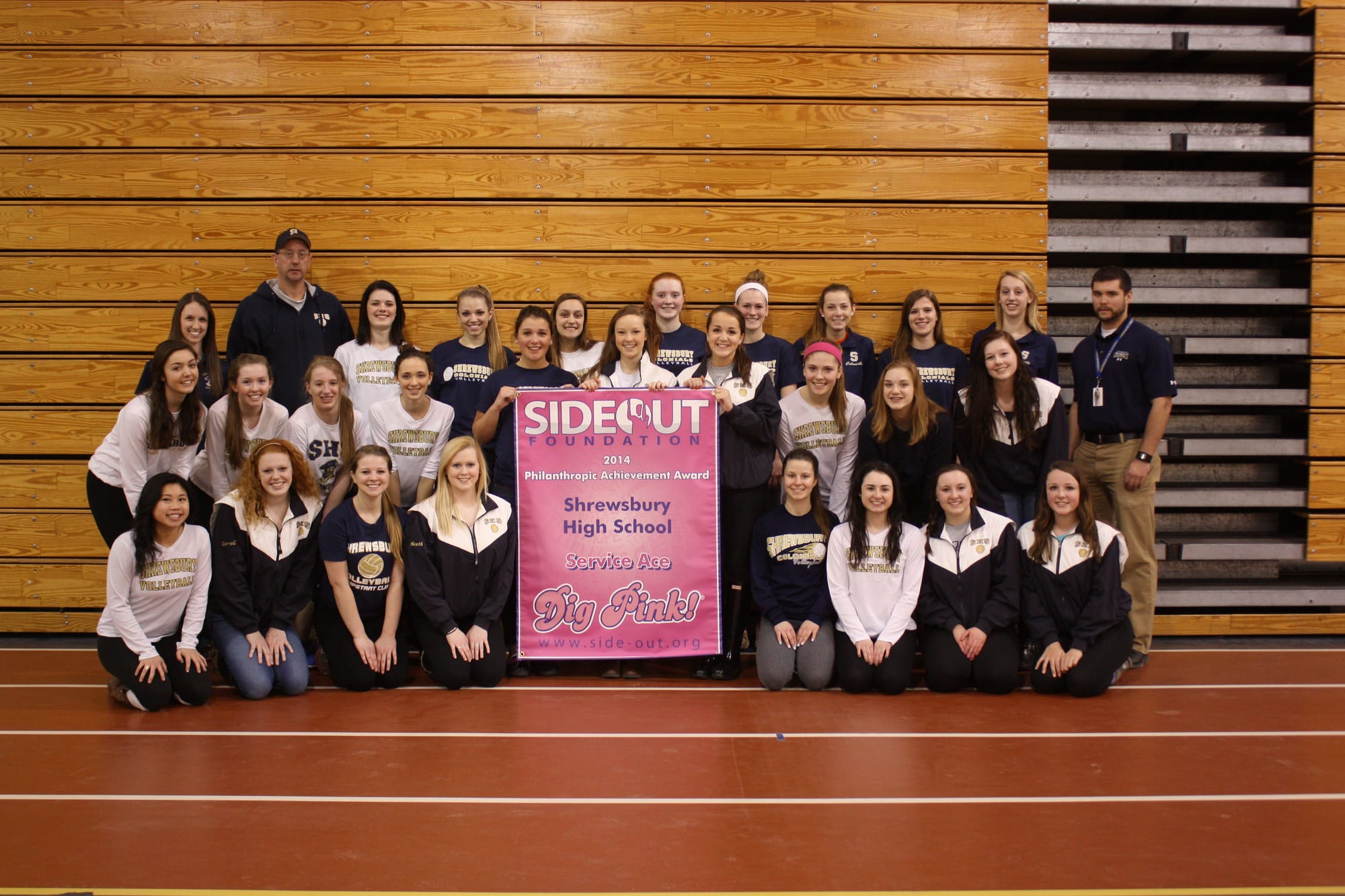
Shrewsbury High School (Massachusetts) has raised over $16,000 since 2012 by trying something new nearly every year, including a teachers-versus-students match that got the whole building buzzing. The lesson: you don't need a perfect plan, just a willingness to keep experimenting.
Poolesville High School (Maryland) lost its Dig Pink match on the scoreboard one year but still raised over $1,600 through its online fundraising page alone, on top of a bake sale and silent auction. The final score didn't matter to what the night raised, or what it meant.
West Springfield High School (Virginia) is where all of this started. When I shared with my team that my mother had been diagnosed with Stage IV breast cancer, my vulnerability in that moment became the seed of a movement that has since raised more than $22 million for Side-Out's research.
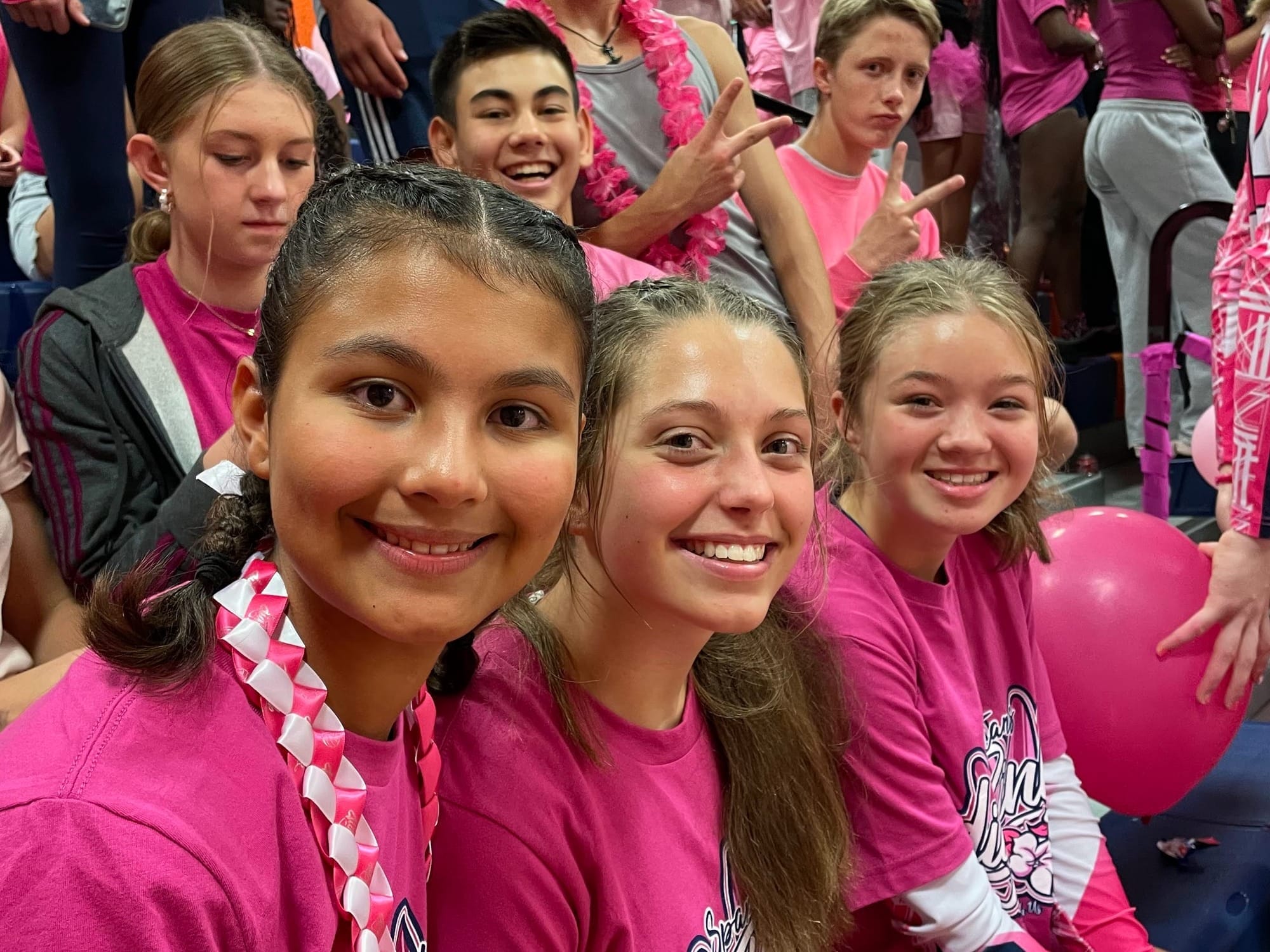
The throughline in every one of these stories isn't a clever gimmick, it's personal connection, consistency year after year, and a willingness to ask people directly and tell them why it matters.
What actually helps in a tight economy
Thank donors before asking again. Donor retention is one of the cheapest, most effective things a fundraiser can do. A quick note or a shoutout at the game goes a long way toward making last year's donors want to show up again.
Tell people exactly where the money goes. Explaining that Stage IV research is the most advanced and least funded stage of the disease, and that Side-Out is aimed at closing that gap, builds the kind of confidence that turns a one-time donor into a repeat one.
Lean on relationships over transactions. A raffle basket from a local bakery isn't just a prize, it's a relationship with that bakery that can be renewed every year.
Widen the base instead of chasing bigger checks. Individual player pages, small specific asks, and a mix of low-cost entry points all point the same direction: more people giving a little, rather than a few people giving a lot.
Don't go quiet. Teams that keep showing up and keep asking, even modestly, come out of a tough economy stronger than teams that decide it's not the year to ask.
When someone can't give, they can still help
Everything above is about raising money, and the money genuinely matters, it funds the real research behind the chart earlier in this post. But there's a second kind of ask worth making room for this year, one that costs nothing: just letting people know Side-Out's research exists.
Side-Out runs an active research program that people living with metastatic breast cancer can join right now, using precision analysis of their own tumor to help their oncologist find the treatment most likely to work for them specifically. The foundation has set a goal of enrolling a thousand patients a year, and reaching that number depends on people actually hearing that the option exists.
A social media post, a line in the game program, or a QR code by the raffle table raises no money at all, but any one of them could connect a patient to a treatment option their own oncologist didn't have visibility into. So if a family tells you money is tight this year, that isn't the end of what you can offer them. Telling them plainly what Side-Out does is real impact too, it just costs a sentence instead of a dollar.
A note on the ask itself
If there's one thing worth remembering when you're asking someone to buy a raffle ticket, it's this: you're inviting them into something that already works, in gyms like Medway's and Shrewsbury's and West Springfield's, and in a country that gave more to charity in 2020, an actual recession year, than it ever had before. The generosity is already out there. Your job is just to give people a reason and a way to show it.
Good luck this year. Wear the pink, tell your team's story, and remember you're a hub with spokes of your own, so ask them to pass it forward too. Don't wait around for one big check when five people giving ten dollars gets a player to the same $50. Share the research, fund the research, both halves of that sentence matter, and neither one works without the other.